Told as stories
Hampton Court: two queens, a grey lady, and postcards that were faked up
Historic Royal Palaces does not ask you to take the palace ghosts as proved. It tells the stories, and it is careful with its verbs.
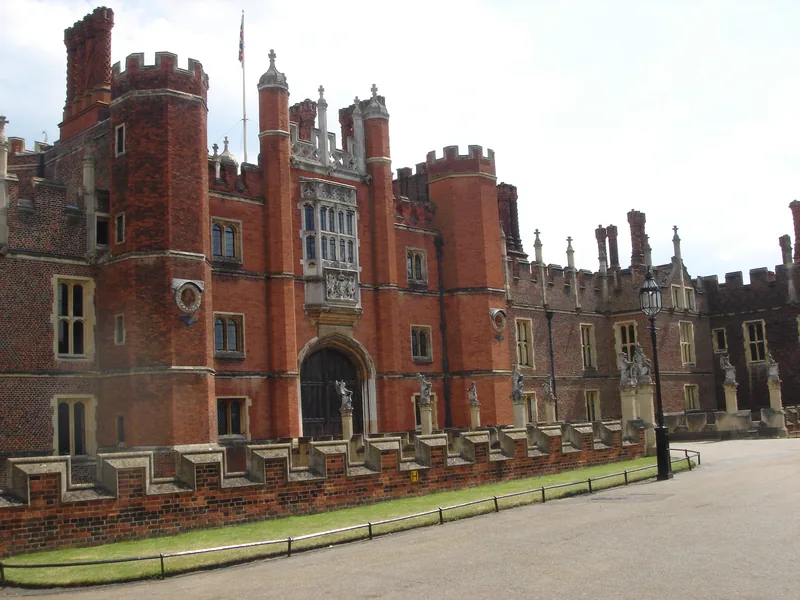
“We all love a good ghost story.” “Nobody knew better than the Victorians that terror sells tickets.” The official hauntings page says the best-selling early 1900s postcards were “faked up double exposed photographs offered as spine-tingling ‘proof’.” [source]
“Stories persist today that at least two of Henry VIII’s queens haunt Hampton Court Palace: his beloved third queen Jane Seymour who died after giving birth in 1537 and most famously, his fifth queen Catherine Howard, executed for adultery in 1542.” [source]
Jane Seymour: “A pale figure is reported to appear on the Silverstick Stairs, which once led up to a room in which Jane gave birth, and died, on the anniversary of Edward’s birth in October 1537.” The same page says she died “only a few days after delivering Henry’s longed-for son.” That official wording is kept, and is not blended with any other page’s “twelve days.” [source]
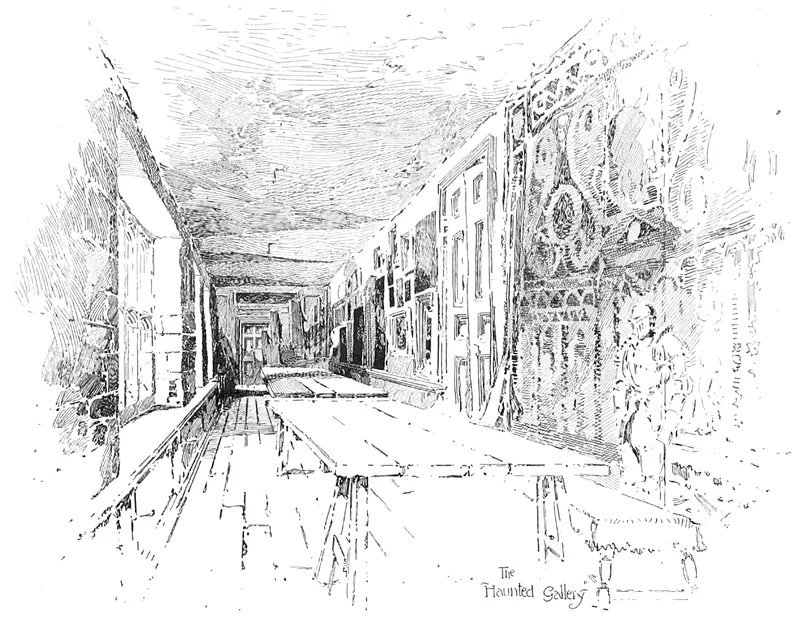
Catherine Howard, on the hauntings page: “Catherine was beheaded at the Tower of London in 1542, for adultery and treason. It is claimed that after she was arrested at Hampton Court, the terrified teenager broke free of her guards. She ran along what is now called the Haunted Gallery, screaming out to the King for mercy.” “It is said that her anguished ghost now repeats this heartbreaking journey.” [source]
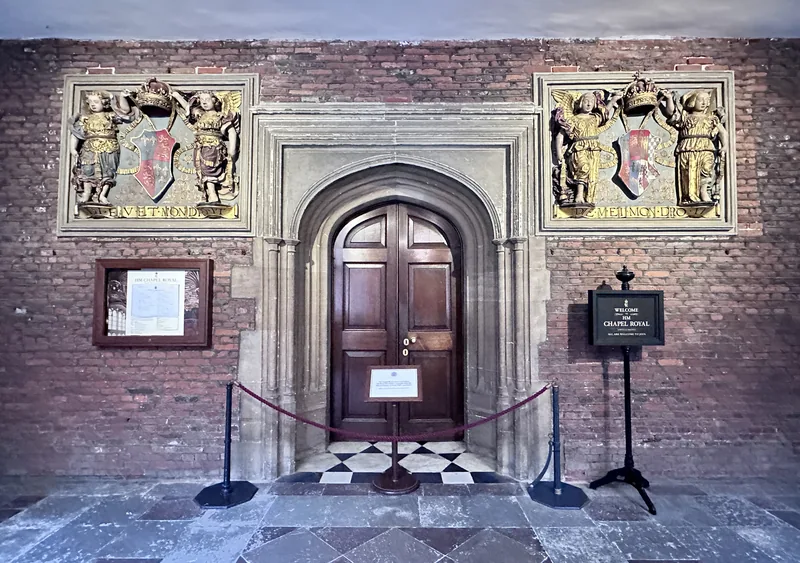
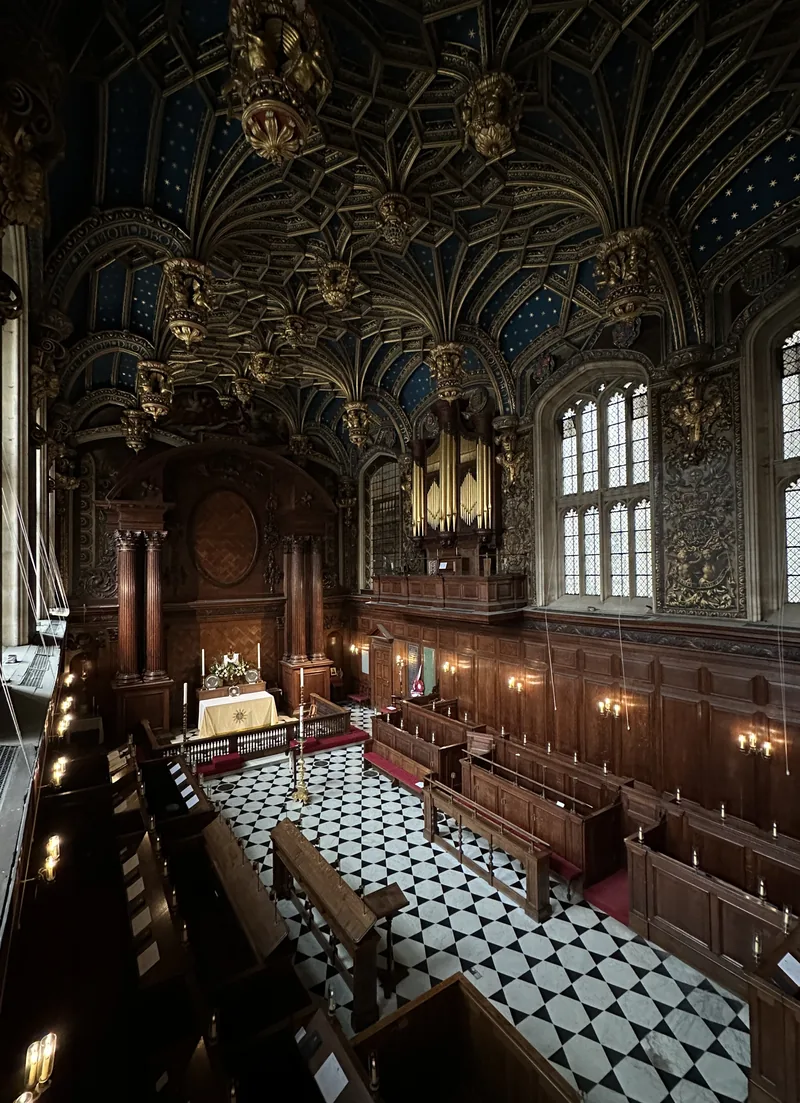
The gallery page supplies the historical frame, and then returns to legend. “Walk Henry VIII’s route from his private apartments to the Chapel Royal — now lined with 16th century paintings including portraits of Tudor monarchs — and see the infamous Haunted Gallery.” “In 1541, Catherine Howard, Henry VIII’s fifth queen, discovered that she was to be charged with adultery.” “Legend has it that Catherine, terrified and desperate, broke free from her guards… and ran along the processional route in the hope of finding Henry in the Chapel, to plead her innocence. Just before Catherine reached the door, she was seized by guards who took her screaming back to her rooms.” “Catherine was executed at the Tower of London just three months later.” “Catherine’s ghost can, allegedly, be seen running through what is now called the Haunted Gallery… wailing for mercy.” [source]
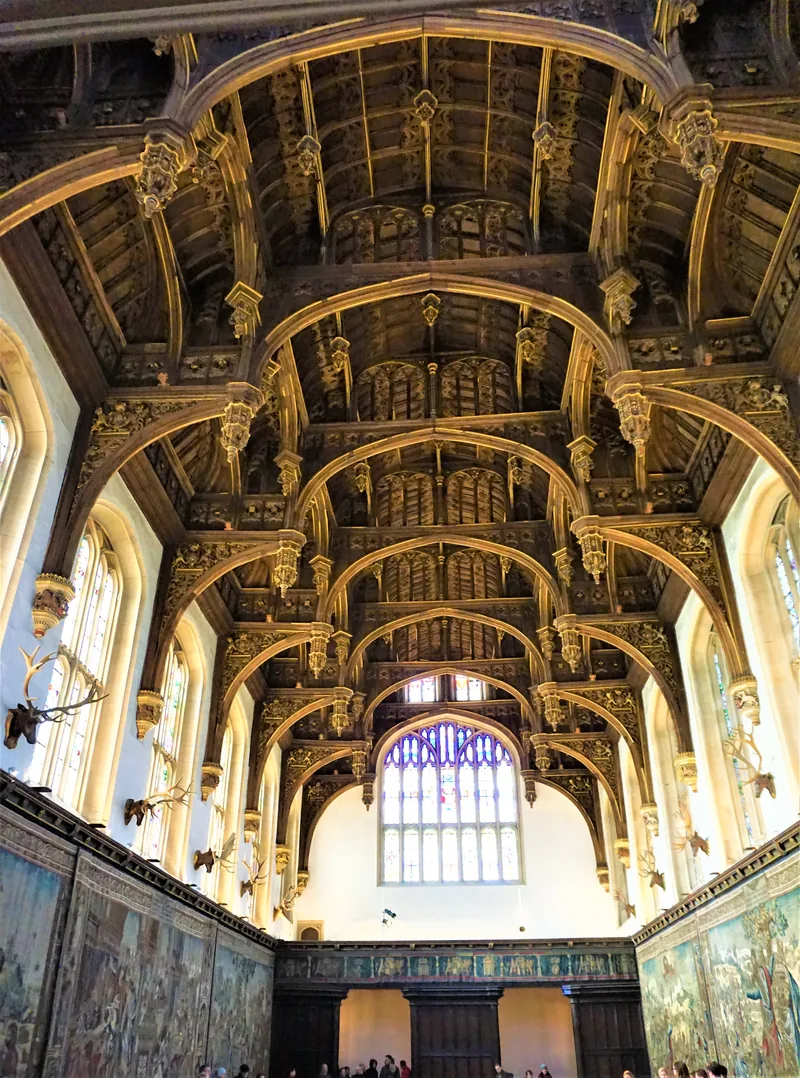
There is also the Grey Lady. The hauntings page describes Sybil Penn as a servant and wet nurse to Edward VI, who nursed Elizabeth I through smallpox in 1562 and “died soon afterwards.” Her tomb was disturbed when Hampton church was renovated in 1829. The spinning-wheel story is introduced as “Legend has it.” [source]
A “Did you know?” note on the same official page records: “On one day in 1999, during separate tours, two female visitors fainted in exactly the same spot in the Haunted Gallery.” That is the palace’s note. It is not part of the 2003 paper described on the research page. [source]
Keep exploring
- What did the researchers find? — the 2000 experiment, reported in 2003.
- Myths versus facts — a legend is not rewritten as a finding.
- Field notes — where two official wordings are kept apart.
Enjoyed this hauntings desk?
No pop-ups. No intrusive advertising. Just interesting stuff. A little support helps the next unexplained.im site get built.